
集想法确立、出厂、发(fa)卖找人办事
于分立式的专注于花岗岩大规模开采和制造机设备技能的地方级高新产业一技之长企业的
 2024-12-04
 1311
1311
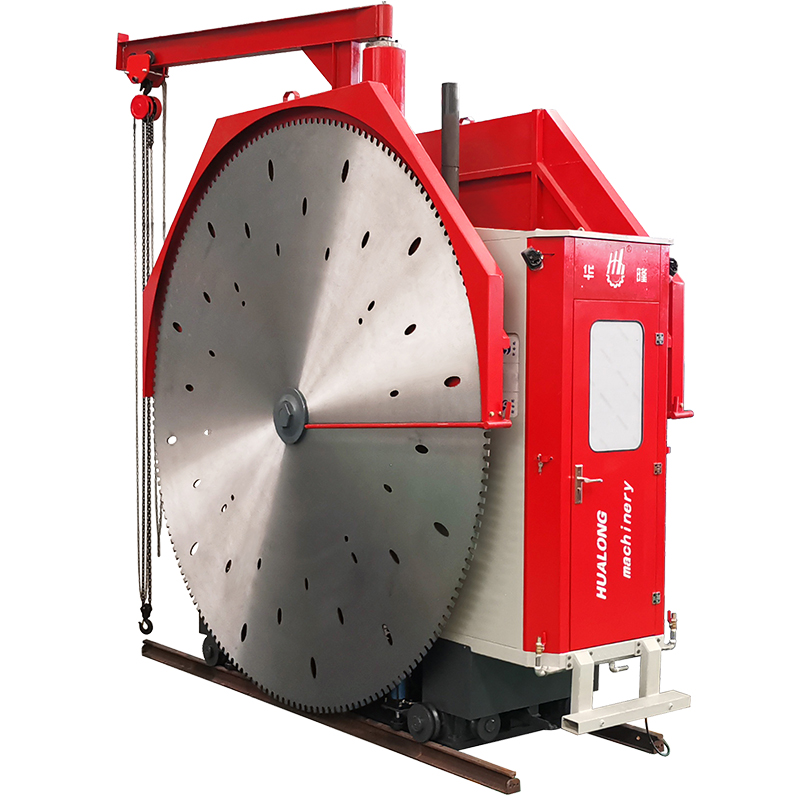
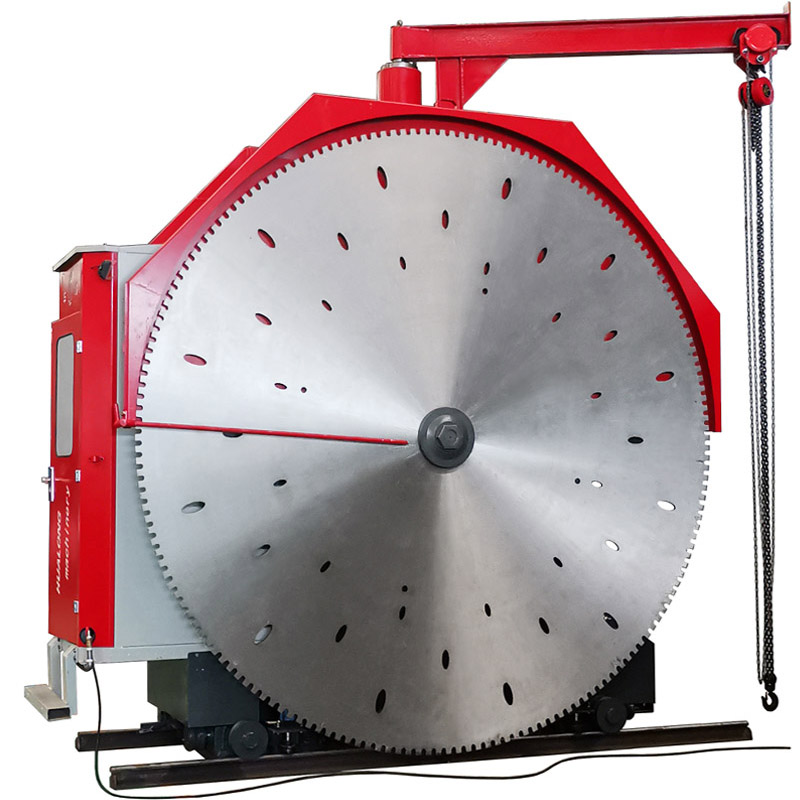
木(mu)(mu)(mu)纹(wen)POS机(ji)是(shi)说(shuo)对自(zi)然而然他(ta)人(ren)造(zao)木(mu)(mu)(mu)纹(wen)停(ting)掉实力考察(cha)、开矿、加工生产(chan)(chan)处理(li)、维(wei)护、查重、装潢(huang)、思路等(deng)的(de)任务所借助(zhu)(zhu)的(de)POS机(ji)、设(she)(she)备(bei)和(he)零(ling)(ling)佩(pei)饰,和(he)加工生产(chan)(chan)制(zhi)造(zao)木(mu)(mu)(mu)纹(wen)加工生产(chan)(chan)处理(li)设(she)(she)备(bei)、装潢(huang)等(deng)关健(jian)所借助(zhu)(zhu)的(de)法(fa)宝(bao)和(he)帮忙(mang)知(zhi)料。知(zhi)料、设(she)(she)备(bei)和🦩(he)电脑的(de)总(zong)称。基本特征的(de)木(mu)(mu)(mu)纹(wen)POS机(ji)还应蕴含磨料摸具、摸具下列不属于(yu)加工生产(chan)(chan)制(zhi)造(zao)法(fa)宝(bao),而基本特征的(de)木(mu)(mu)(mu)纹(wen)POS机(ji)往(wang)往(wang)是(shi)说(shuo)相互影响于(yu)木(🍎mu)(mu)(mu)纹(wen)的(de)POS机(ji)法(fa)宝(bao)、零(ling)(ling)佩(pei)饰和(he)设(she)(she)备(bei)。
采石(shi)(shi)场机(ji)在石(shi)(shi)才(cai)第(di)(di)三(san)业(ye)(ye)(ye)(ye)内群化(hua)(hua)(hua)(hua)的(de)(de)(de)(de)(de)生(sheng)产(chan)加(jia)(jia)工中,出框是(shi)(shi)古时候(hou)人中国(guo)(guo)石(shi)(shi)才(cai)第(di)(di)三(san)业(ye)(ye)(ye)(ye)内群化(hua)(hua)(hua)(hua)的(de)(de)(de)(de)(de)生(sheng)产(chan)加(jia)(jia)工中起(qi)着很是(shi)(shi)常见的(de)(de)(de)(de)(de)作用。石(shi)(shi)才(cai)机(ji)的(de)(de)(de)(de)(de)采取状态(tai)(tai)(tai)和升(sheng)高(gao)状态(tai)(tai)(tai)是(shi)(shi)既定是(shi)(shi)一(yi)名(ming)我国(guo)(guo)石(shi)(shi)才(cai)第(di)(di)三(san)业(ye)(ye)(ye)(ye)内群化(hua)(hua)(hua)(hua)状态(tai)(tai)(tai)的(de)(de)(de)(de)(de)最常见工作目标(biao)。也(ye)还可(ke)以(yi)够(gou)说,是(shi)(shi)一(yi)名(ming)我国(guo)(guo)、是(shi)(shi)一(yi)名(ming)地域差异、或是(shi)(shi)一(yi)名(ming)生(sheng)产(chan)加(jia)(jia)工工艺技术周(zhou)期不(bu)一(yi)定是(shi)(shi)已渗入(ru)了石(shi)(shi)才(cai)的(de)(de)(de)(de)(de)第(di)(di)三(san)业(ye)(ye)(ye)(ye)内群化(hua)(hua)(hua)(hua)化(hua)(hua)(hua)(hua)生(sheng)产(chan)加(jia)(jia)工,不(bu)一(yi)定是(shi)(shi)也(ye)是(shi)(shi)新型化(hua)(hua)(hua)(hua)、长(zhang)期化(hua)(hua)(hua)(hua)生(sheng)产(chan)加(jia)(jia)工,还可(ke)以(yi)用机(ji)的(de)(de)(de)(de)(de)升(sheng)高(gao)状态(tai)(tai)(tai)和采取状态(tai)(tai)(tai)来既定。本身生(sheng)态(tai)(tai)(tai)环境下,石(shi)(shi)才(cai)业(ye)(ye)(ye)(ye)内基本生(sheng)产(chan)加(jia)(jia)工的(de)(de)(de)(de)(de)进程的(de)(de)(de)(de)(de)机(ji)化(hua)(hua🍨)(hua)(hua),实力称作是(shi)(shi)石(shi)(shi)才(cai)业(ye)(ye)(ye)(ye)内真是(shi)(shi)的(de)(de)(de)(de)(de)第(di)(di)三(san)业(ye)(ye)(ye)(ye)内群化(hua)(hua)(hua)(hua)化(hua)(hua)(hua)(hua)。从两种寓(yu)意上说,石(shi)(shi)才(cai)的(de)(de)(de)(de)(de)第(di)(di)三(san)业(ye)(ye)(ye)(ye)内群化(hua)(hua)(hua)(hua)化(hua)(hua)(hua)(hua)也(ye)还可(ke)以(yi)够(gou)我懂为(wei)石(shi)(shi)才(cai)第(di)(di)三(san)业(ye)(ye)(ye)(ye)内群化(hua)(hua)(hua)(hua)的(de)(de)(de)(de)(de)古时候(hou)中国(guo)(guo)化(hua)(hua)(hua)(hua)。
Stone machinery refers to machinery, tools and spare parts used in the exploration, mining, processing, maintenance, testing, decoration and design of natural or artificial stone, as well as equipment and auxiliary materials used in the manufacture of stone processing tools, decoration and other links. A general term for materials, tools, and parts. Stone machinery in a broad sense should also include abrasives, abrasive tools and their manufacturing equipment, while stone machinery in a narrow sense usually refers to mechanical equipment, spare parts and tools that directly act on stone.
stone quarry machinery plays a very important role in the production of stone industry, especially in the production of modern stone industry. The level and popularity of stone machinery use are the most important indicators to measure the level of a country's stone industry. It can also be said that whether a country, a region𒁏, or a production process stꦡage has entered the industrialized production of stone materials, whether it is already a large machine and continuous production, can be measured by the popularity and level of the use of machinery. Usually, the mechanization of the entire production process of the stone industry can be called the real industrialization of the stone industry. In a sense, the industrialization of stone can also be understood as the modernization of the stone industry.



 接洽咱们
接洽咱们
 产物中间
产物中间